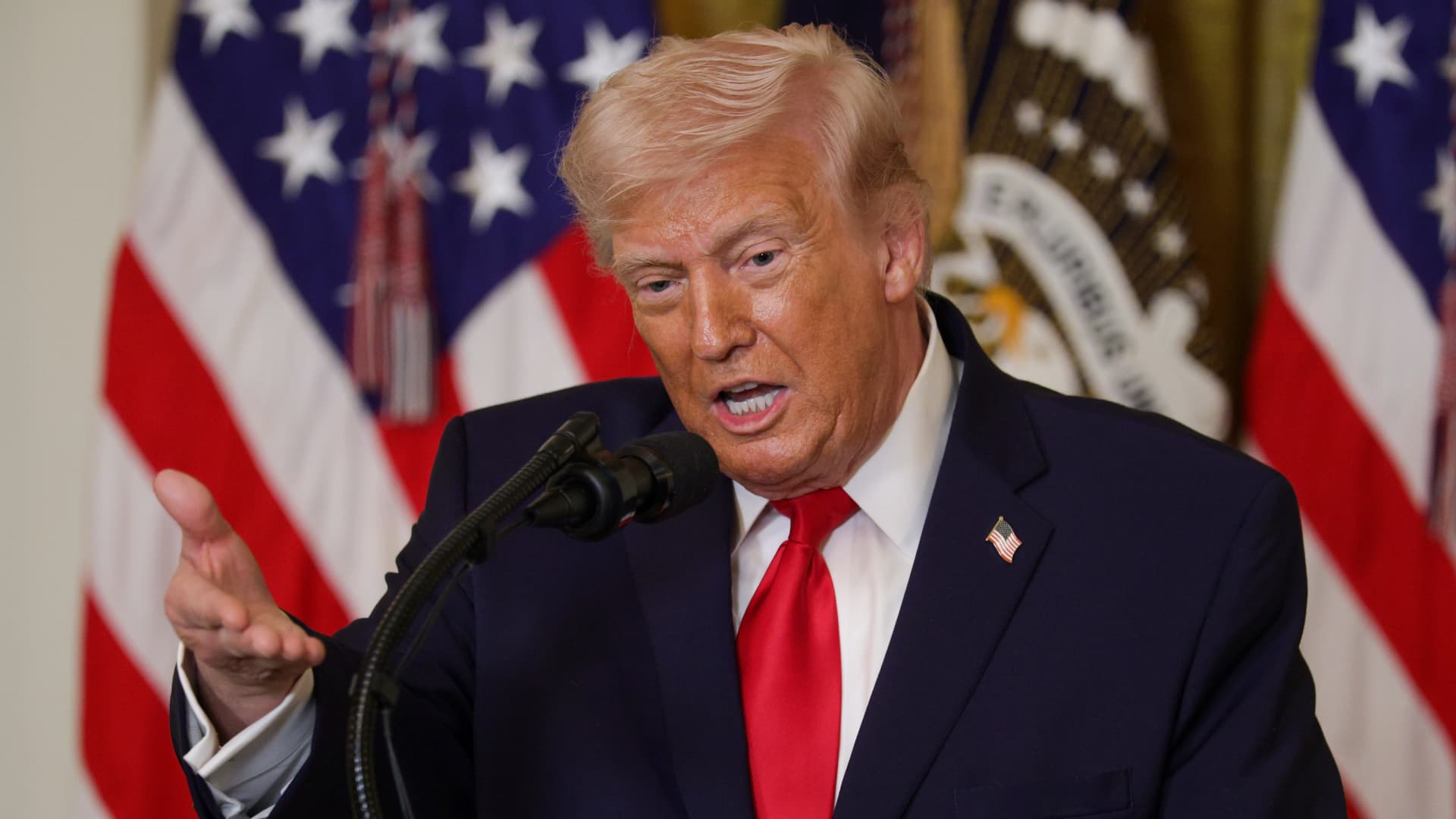
In a significant move aimed at stabilizing volatile oil markets amidst escalating geopolitical tensions, President Donald Trump issued a 60-day waiver of the venerable Jones Act. This temporary suspension of a century-old U.S. shipping rule was a direct response to the deepening crisis stemming from the Iran war, which saw major energy infrastructure under attack and the critical Strait of Hormuz effectively closed. The decision to temporarily allow foreign-flagged vessels to transport goods between American ports marks a rare departure from a law deeply embedded in U.S. maritime policy, highlighting the urgency of the situation. This article delves into the specifics of why trump waives shipping law, its intended impacts, and the broader implications for U.S. energy security.
The Jones Act: A Century of Maritime Protectionism
To fully grasp the significance of President Trump's waiver, it's essential to understand the Jones Act itself. Officially known as the Merchant Marine Act of 1920, this law was signed into effect by then-President Woodrow Wilson. Its core tenet dictates that goods transported by water between U.S. ports must be carried on U.S.-built, U.S.-owned, U.S.-crewed, and U.S.-flagged vessels. The initial intent behind the legislation was noble: to foster a robust domestic shipping industry and ensure a ready merchant marine fleet for national defense, particularly in the wake of World War I.
However, over its century-long existence, the Jones Act has become one of the most debated and controversial pieces of U.S. economic legislation. Proponents argue it's crucial for national security, preserving American jobs, and maintaining high labor and environmental standards. Critics, on the other hand, frequently denounce it as a form of protectionism that inflates shipping costs, reduces competition, and hinders efficient supply chains, particularly during crises. Economists have often pointed to its role in limiting the number of available vessels for domestic trade, leading to higher prices for consumers and businesses alike. The limited fleet of fewer than 100 Jones Act-compliant vessels underscores the capacity constraints inherent in the law, making any flexibility during emergencies particularly impactful.
Why Trump Waived the Shipping Law: Geopolitical Turmoil and Oil Price Spikes
The immediate catalyst for President Trump's decision to temporarily waive the Jones Act was the escalating conflict with Iran. The Middle East had become a hotbed of instability, with critical energy infrastructure targeted and, most alarmingly, the Strait of Hormuz effectively blocked. This vital global oil-shipping route, through which a significant portion of the world's oil supply passes, faced the constant threat of Iranian strikes on shipping vessels. The geopolitical fallout sent shockwaves through international oil markets.
White House press secretary Karoline Leavitt confirmed that the temporary suspension was an attempt to stabilize oil markets. As the crisis deepened, oil prices had resumed their sharp ascent. Brent crude, the international benchmark, surged by over 6% on the day of the announcement, topping $109 per barrel. U.S. oil prices also saw a significant jump, trading 2.95% higher at $99.05 per barrel. These soaring energy costs threatened to cripple industries, burden consumers, and exacerbate economic uncertainty. The administration's move was explicitly aimed at mitigating these disruptions to the oil market amid the Iran war, by allowing "vital resources like oil, natural gas, fertilizer, and coal to flow freely to U.S. ports for sixty days." The decision highlights the direct link between global conflicts and domestic energy prices, underscoring the need for rapid, albeit temporary, solutions when such crises erupt.
Immediate Impacts and Potential Limitations of the Waiver
The 60-day waiver, operating under the broader framework of Operation Epic Fury, offered an immediate, if temporary, injection of flexibility into the U.S. energy supply chain. By allowing foreign-flagged vessels to move goods between U.S. ports, the administration aimed to swiftly address bottlenecks and ease upward pressure on fuel prices. The logic was straightforward: with fewer than 100 Jones Act-compliant vessels, opening up U.S. domestic routes to the vast global fleet of international tankers could significantly increase shipping capacity for critical resources.
This increased capacity was intended to facilitate the quicker and potentially cheaper transport of oil, natural gas, fertilizer, and coal across U.S. waterways. The expectation was that by easing the logistical burden, energy supplies would become more readily available, thereby helping to cool down soaring prices at the pump and for industrial users. The administration also emphasized its commitment to strengthening critical supply chains, with this waiver being one of several steps taken to achieve that goal.
However, experts like Daleep Singh, chief global economist at PGIM, cautioned that the impact of suspending the act might be limited despite the good intentions. Singh pointed to a crucial "mismatch" within the U.S. energy infrastructure: most U.S. refineries are specifically built to process heavier Middle Eastern crude oil, while the U.S. predominantly produces lighter shale oil. As Singh plainly put it, "the U.S. can now move fuel around more easily, but it still can’t refine enough of what it produces for self-sufficiency." This fundamental imbalance suggests that even with an abundance of transport capacity, the U.S. refining capability might still be a bottleneck in achieving true energy independence and significant price relief from domestic sources. This raises questions about whether foreign ships alone can stabilize U.S. energy supply without parallel investments in refining infrastructure.
Beyond the Waiver: Strengthening U.S. Energy Security
While the decision to trump waives shipping law was an emergency measure, it underscores deeper questions about U.S. energy security and the long-term viability of current policies. Temporary waivers, while critical in crises, do not address the systemic challenges. True energy security requires a multi-faceted approach that looks beyond immediate supply chain fixes.
One key area for continued focus is investment in domestic refining capabilities. The "mismatch" between U.S. crude production and refining capacity highlighted by economists is a significant vulnerability. Developing or retrofitting refineries to handle a wider variety of crude types, especially lighter shale oil, would reduce reliance on imported crude and enhance the nation's ability to process its own resources. Furthermore, diversification of energy sources and continued strategic investment in renewable energy and alternative fuels can insulate the U.S. from the volatility of global oil markets.
The Strategic Petroleum Reserve (SPR) also plays a vital role in national energy security, providing a buffer against sudden supply disruptions. Regular assessments and strategic drawdowns or replenishments of the SPR are crucial. From a geopolitical standpoint, the Trump administration's expressed frustration with U.S. allies over securing critical shipping lanes like the Strait of Hormuz also signals the need for robust international cooperation and burden-sharing to maintain global energy flow stability.
The Jones Act itself remains a subject of intense debate. While it serves national security interests, its economic costs and limitations during crises prompt ongoing discussions about potential reforms or a more flexible waiver process. Balancing the imperatives of national security, economic efficiency, and environmental protection in maritime policy will remain a complex challenge for future administrations.
Conclusion
President Donald Trump's 60-day waiver of the Jones Act was a decisive, albeit temporary, intervention driven by the urgent need to stabilize U.S. oil markets amidst the turmoil of the Iran war. By easing restrictions on shipping, the administration aimed to quickly alleviate supply bottlenecks and temper rising energy prices. While the immediate impact of this move to trump waives shipping law offered crucial flexibility, the underlying challenges of U.S. energy infrastructure, particularly the refining capacity mismatch, remain. This episode serves as a powerful reminder of the intricate connections between geopolitical events, domestic economic policy, and the critical importance of robust, adaptable supply chains for national security and economic stability. As the U.S. navigates an ever-changing global landscape, the debate over balancing protectionist policies with the need for flexibility and resilience in its energy and maritime sectors will undoubtedly continue.